News
JSOWELL Brings Green Energy to Southeast Asia: 160kW CCS2 Ultra-Fast Charging Station Launched in Vientiane, Laos
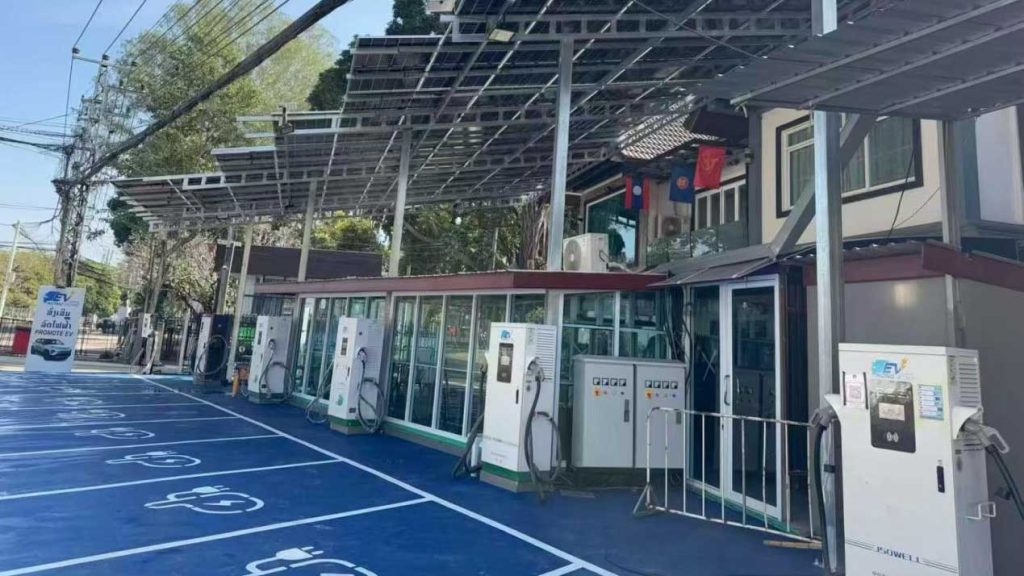
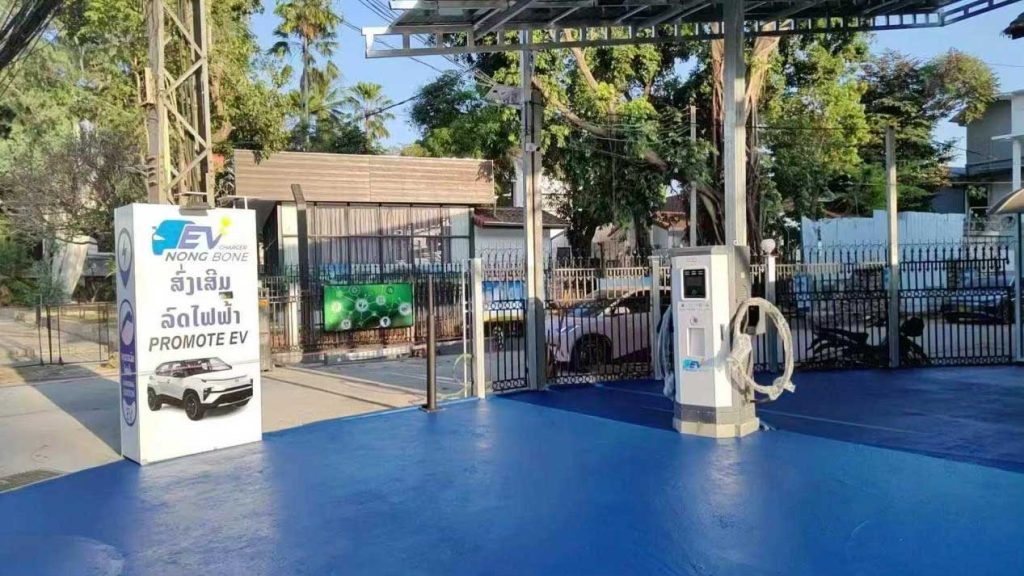
Vientiane, Laos – JSOWELL has successfully deployed its 160kW CCS2 DC ultra-fast charging solutions in Vientiane, the capital city of Laos, injecting strong momentum into the local new energy vehicle operations network. The project was procured and implemented by local partners, establishing a green energy demonstration site in Vientiane that integrates “solar PV + ultra-fast charging + intelligent operations,” thereby supporting the advancement of new energy transportation infrastructure across Southeast Asia.
Project Highlights: A Holistic Approach to Sustainable Mobility
The Vientiane project showcases JSOWELL’s commitment to delivering integrated solutions tailored to the unique needs of emerging markets, combining cutting-edge technology with sustainable practices.
High-Efficiency Ultra-Fast Charging: Each charging unit delivers a rated power output of 160kW, featuring the European standard CCS2 interface. This configuration meets the fast-charging requirements of mainstream electric vehicle models prevalent in Laos and neighboring Southeast Asian markets, significantly enhancing operational efficiency for fleet operators and reducing wait times for individual users.
Integrated Solar Canopy Architecture: A standout feature of the site is the integration of a solar PV carport. The canopy, equipped with high-efficiency photovoltaic panels, harnesses solar energy to generate electricity that directly powers the charging stations. This “self-generation for self-consumption” model effectively reduces both carbon emissions and long-term operational electricity costs, demonstrating a viable path toward energy independence for charging infrastructure.
Comprehensive Coverage for Diverse User Groups: Strategically located within Vientiane’s core urban operational zone, the charging station is designed to serve a wide spectrum of users. It simultaneously accommodates high-usage commercial fleets such as ride-hailing services and taxis, as well as private EV owners, creating a convenient and efficient refueling network that supports the city’s evolving mobility landscape.
Robust Design for Tropical Climates: Engineered with a high ingress protection rating, the charging equipment is built to withstand the challenging environmental conditions of Southeast Asia. Its durable design ensures reliable, stable, and safe operation year-round, even under conditions of high temperature, intense humidity, and heavy rainfall.
Market Significance: A Milestone for Sustainable Transport in Laos
As a key nation along the “Belt and Road” initiative, Laos is experiencing rapid growth in its new energy vehicle market. The successful implementation of the Vientiane project represents a significant practical achievement for JSOWELL in the Southeast Asian region. More importantly, it serves as a replicable benchmark for the integrated “solar PV + ultra-fast charging” model, demonstrating how renewable energy generation can be seamlessly combined with modern EV infrastructure to create truly sustainable mobility solutions.
This project not only addresses the immediate need for reliable fast-charging capacity in Vientiane but also aligns with Laos’s broader goals for sustainable development and green energy adoption. By providing a tangible example of how infrastructure can be both environmentally responsible and economically viable, JSOWELL is helping to pave the way for wider EV adoption across the country and the region.
Looking Ahead: Empowering Southeast Asia’s Green Transition
Building on the success of the Vientiane demonstration project, JSOWELL remains dedicated to deepening its engagement in Southeast Asian markets. The company will continue to leverage its technological expertise to develop innovative, context-appropriate solutions that address the unique challenges and opportunities of the region. By combining energy storage, renewable integration, intelligent charging, and value-added services, JSOWELL is empowering communities across Southeast Asia and beyond to build a cleaner, smarter, and more sustainable green transportation ecosystem.